As part of my latest project Sounding Peace, I have been visiting immersive sound facilities in Berlin and London over the past few months to try and figure what is the best way for me to ‘visualise’ an immersive sound sculpture.
In recent years, and supercharged by my PhD research project The Ancestors, I have become something of a specialist in creating works for the Echoes audio geo-location platform, and with this current work, I wanted to think about the geo-locative experience less as a sound trail and more as a virtual environment which one enters into and explores, much like a physical sound installation. Udo Noll describes this kind of space as ‘augmented aur(e)ality’, a portmanteau of ‘augmented reality’ (or AR) and ‘aurality’, relating to listening.
Because of this, I am starting to think about my practice as being more sculptural, and to change the way that I conceptualise sound in space. Hence the need to compose the work on a physical speaker system first, to hear it in 4D, before I can translate that experience into the virtual realm of a geo-location app. The Echoes system supports ambisonics and I will be using this technique to place the voices created by talking to military veterans about peace and peacekeeping in a dome-like environment which will sit above the listener, supported by ambient soundscapes and field recordings.
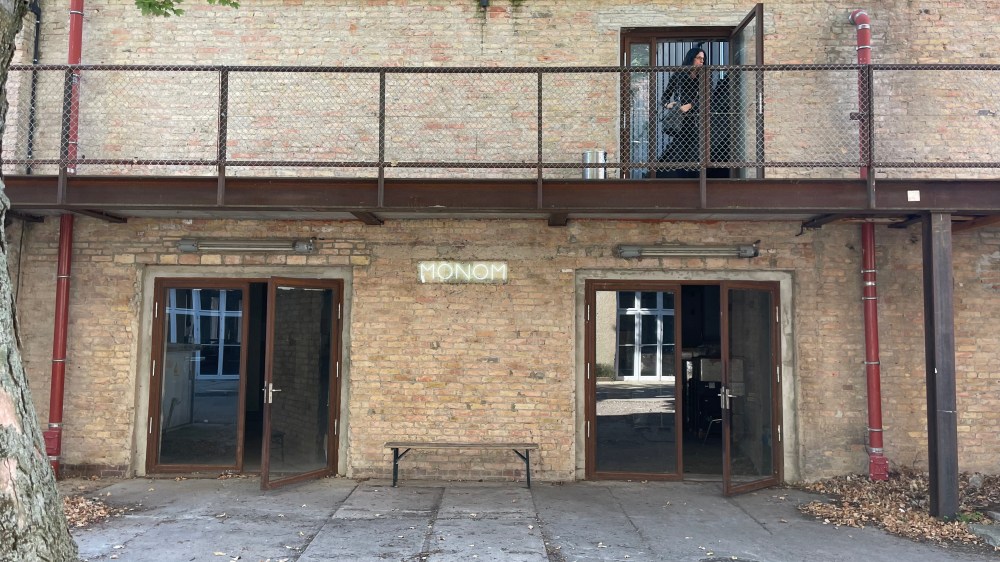
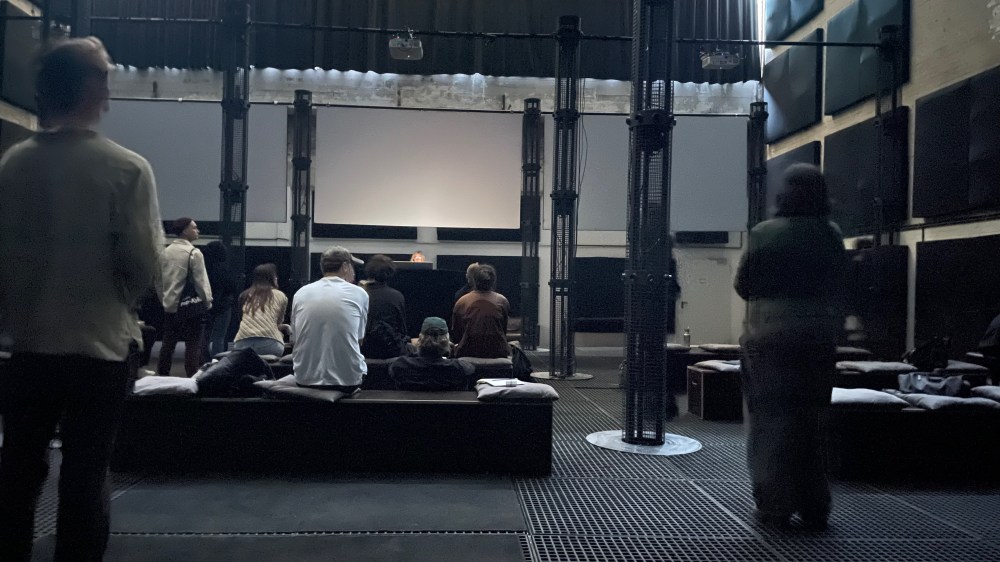
Thanks to MONOM, Spaes, Martyn Ware at Illustrious and the University of Greenwich Sound/Image Research group for showing me their facilities and helping me to understand how I might incorporate multi-speaker techniques into my workflow.
At the same time, I’ve also been redesigning my studio space to create a custom six speaker set-up, so I don’t always have to mix this type of work on headphones. This will allow me to cut down on the time I need to spend in a specialist facility, by creating the core of the work in my own studio before taking the individual components to mix and to spatialise.
 Joseph Young :: Artist